In the collection
17 records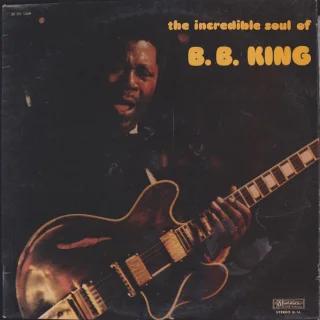 The Incredible Soul Of B. B. King
B. B. King And His Orchestra, 1959
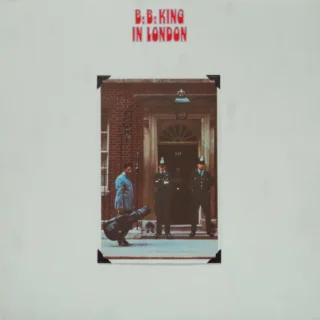 In London
B.B. King, 1971
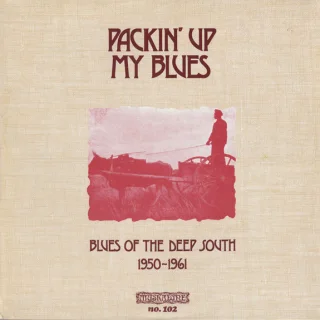 Packin’ Up My Blues (Blues Of The Deep South 1950-1961)
Various, 1971
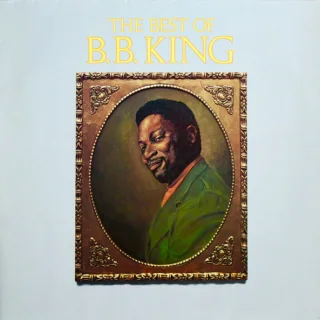 The Best Of B.B. King
B.B. King, 1973
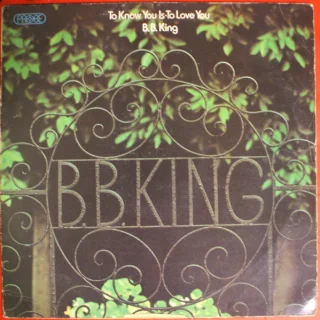 To Know You Is To Love You
B.B. King, 1973
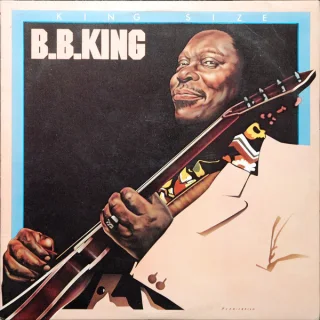 King Size
B.B.King, 1977
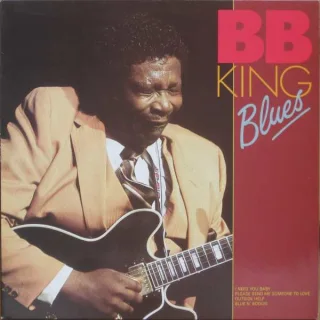 Blues
B.B. King Special Guest Artists Kenny Burrell, Ron Haymes, Joe Newman, Zoot Sims, Jimmy Smith, Clark Terry, 1982
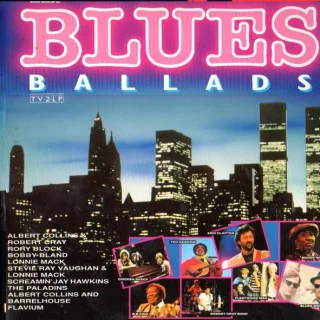 Blues Ballads
Various, 1989
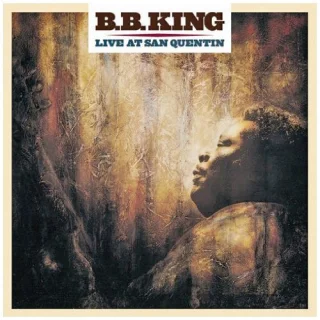 Live At San Quentin
B.B. King, 1990
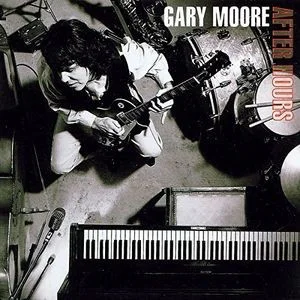 After Hours
Gary Moore, 1992
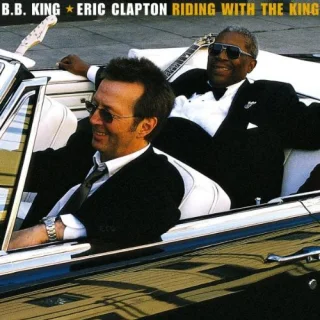 Riding With The King
B.B. King & Eric Clapton, 2000
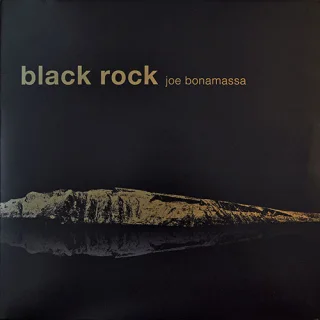 Black Rock
Joe Bonamassa, 2010
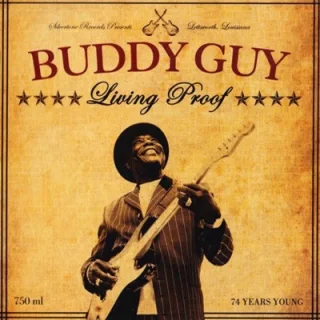 Living Proof
Buddy Guy, 2010
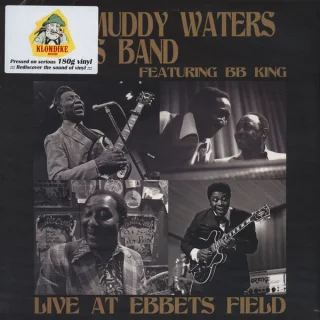 Live At Ebbets Field
The Muddy Waters Blues Band Featuring BB King, 2015
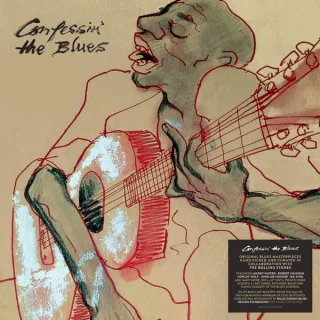 Confessin’ The Blues
Various, 2018
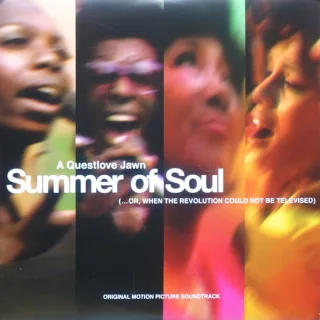 Summer Of Soul (...Or, When The Revolution Could Not Be Televised) (Original Motion Picture Soundtrack)
Various, 2022
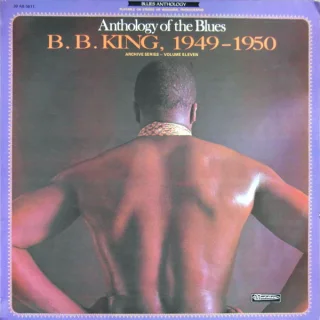 B. B. King, 1949 - 1950
B.B. King
Played with
 The Memphis Horns
3 records together
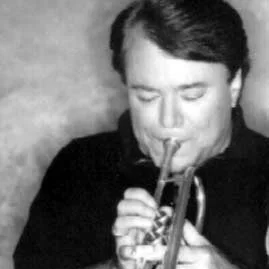 Wayne Jackson
3 records together
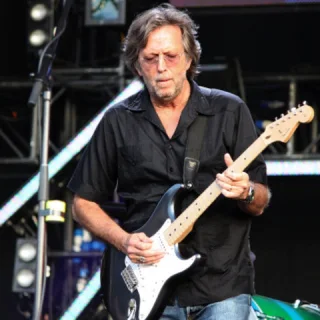 Eric Clapton
2 records together
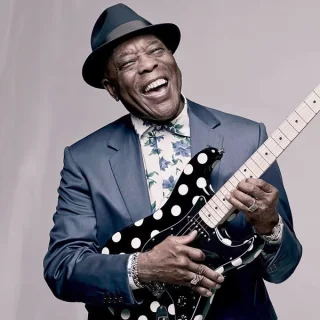 Buddy Guy
2 records together
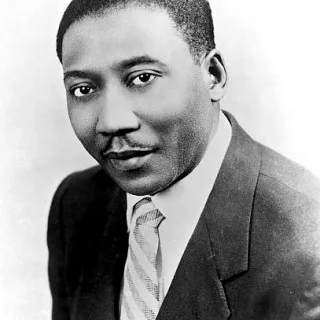 Muddy Waters
2 records together
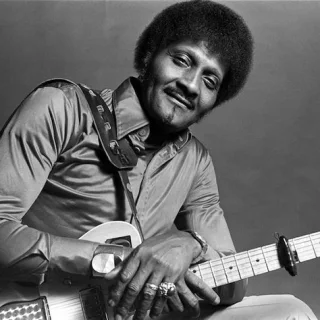 Albert Collins
2 records together
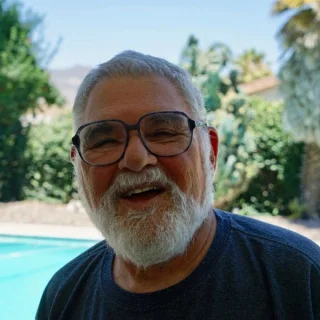 Ed Michel
2 records together
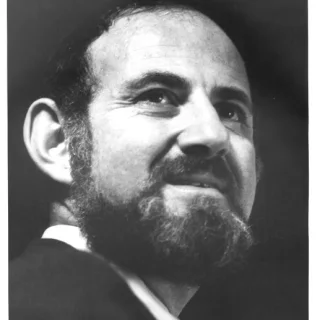 Jimmie Haskell
2 records together
Wilbert Freeman
2 records together
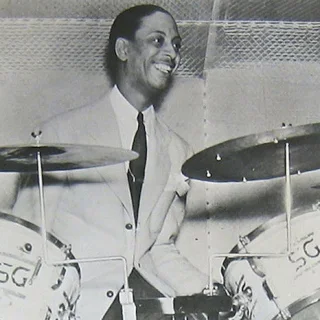 Sonny Freeman
2 records together
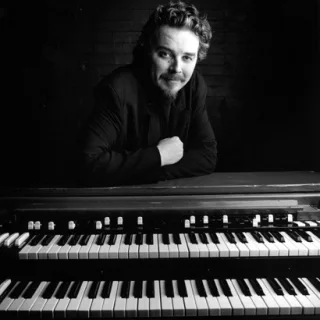 Ron Levy
2 records together
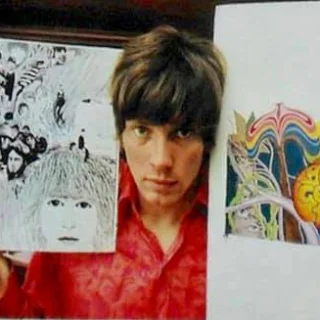 Klaus Voormann
2 records together
About
American blues singer, guitarist, and songwriter born September 16, 1925 near Itta Bena, Mississippi and died May 14, 2015, Las Vegas, Nevada. B.B. is an abbreviation for ‘Blues Boy’.
King is one of the most influential blues musicians of all time, earning the nickname “The King of the Blues.” He is considered one of the “Three Kings of the Blues Guitar” (along with Albert King and Freddie King, none of whom are related). Since he started recording in the 1940s, he released over fifty albums. He previously worked as a tractor driver.
In his youth, he played on street corners for dimes, and would sometimes play in as many as four towns a night. In 1947, he hitchhiked to Memphis, TN, to pursue his music career. In Memphis, B.B. stayed with his cousin Bukka White, one of the most celebrated blues performers of his time, who B.B. credits as one of his earliest mentors and teachers. King’s first big break came in 1948 when he performed on Sonny Boy Williamson’s radio program on KWEM out of West Memphis. This radio performance led to steady engagements at the Sixteenth Avenue Grill in West Memphis and later to a ten-minute spot on the Memphis radio station WDIA. King’s radio spot become so popular, it was expanded and became the “Sepia Swing Club.” As King worked at WDIA as a singer and disc jockey, he was given the catchy radio nickname “Beale Street Blues Boy”, later shortened to “Blues Boy”, and finally to “B.B.”
In the late 1940s and early 1950s, King was a part of the blues scene on Beale Street. “Beale Street was where it all started for me”, King said. He performed with Bobby Bland, Johnny Ace, and Earl Forest in a group known as The Beale Streeters. In 1949, King made his recording debut on Bullet (Bullet Recording & Transcription Co.) by issuing the single “Miss Martha King”, which did not chart well. Later that year, he began a recording contract with Los Angeles-based RPM Records. Many of King’s early recordings were produced by Sam Phillips (who later founded Sun Record Company). King’s recording contract was followed by tours across the US, with performances in big city theatres as well as gigs in small clubs and juke joints in the southern United States. During one show in Twist, Arkansas, a fight broke out between two men and caused a fire. King evacuated with the rest of the crowd, but realizing he left his acoustic guitar inside, rushed back inside the burning building to retrieve it. He later discovered the two men were fighting over a woman named Lucille. Ever since, each one of B.B.’s trademark Gibson guitars has been called Lucille, as a reminder not to fight over women or run into any more burning buildings.
In 1952, B.B. had a number one hit with “Three O’Clock Blues,” and began touring nationally soon after. 1956 became a record-breaking year, with 342 concerts booked and three recording sessions. That same year he founded his own record label, Blues Boys Kingdom, with headquarters at Beale Street in Memphis. In 1962, King signed to ABC-Paramount Records, which was later absorbed into MCA Records. In November 1964, King recorded the album, considered to be one of his finest recordings. In 1968, B.B. played at the Newport Folk Festival and at Bill Graham’s Fillmore West on bills with the hottest contemporary rock artists of the day who idolized B.B. and helped to introduce him to a young white audience. In 1969, B.B. was chosen by The Rolling Stones as the opening act for their American tour. He won a 1970 Grammy Award for his version of the song “The Thrill Is Gone”, which was a hit on both the Pop and R&B charts. It also gained the number 183 spot in Rolling Stone magazine’s 500 Greatest Songs of All Time. From the 1980s until his death in 2015, he maintained a highly visible and active career, appearing on numerous television shows and performing as much as 300 nights a year.
B.B. was inducted into the Blues Foundation Hall of Fame in 1984 and into the Rock And Roll Hall of Fame in 1987 (Performer).