
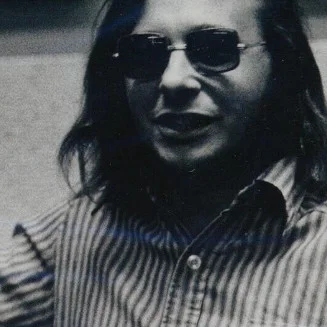
In the collection
9 records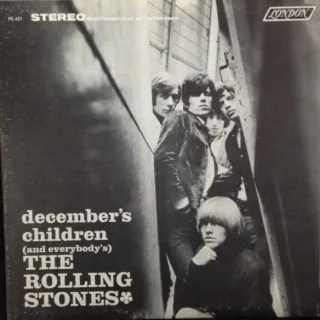 December’s Children (And Everybody’s)
The Rolling Stones, 1965
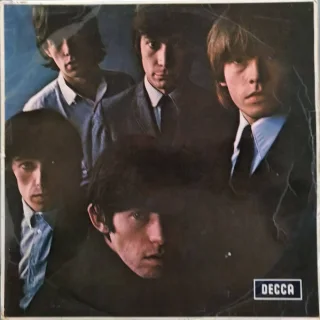 The Rolling Stones Nr. 3
The Rolling Stones, 1965
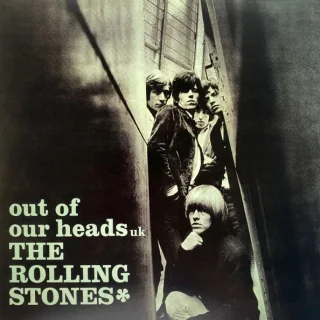 Out Of Our Heads UK
The Rolling Stones, 1965
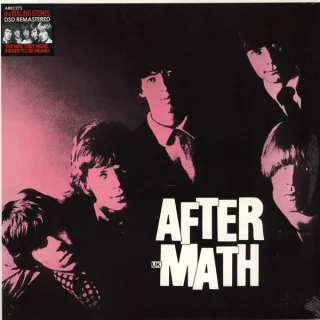 Aftermath UK
The Rolling Stones, 1966
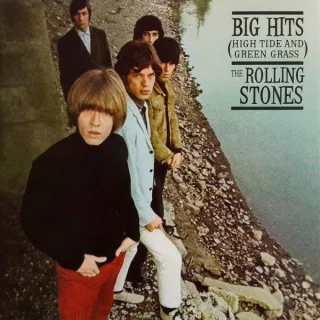 Big Hits (High Tide And Green Grass)
The Rolling Stones, 1966
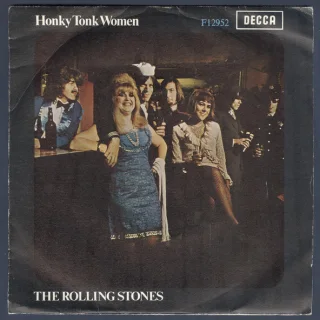 Honky Tonk Women / You Can’t Always Get What You Want
The Rolling Stones, 1969
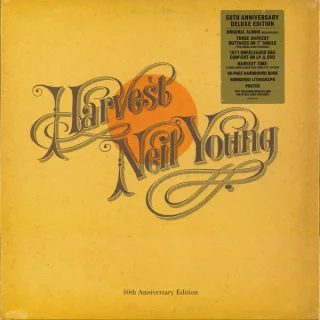 Harvest
Neil Young, 1972
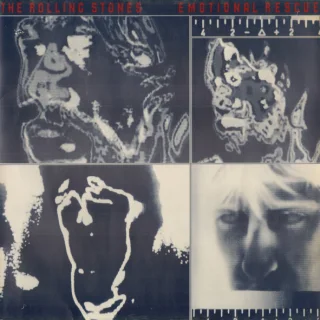 Emotional Rescue
The Rolling Stones, 1980
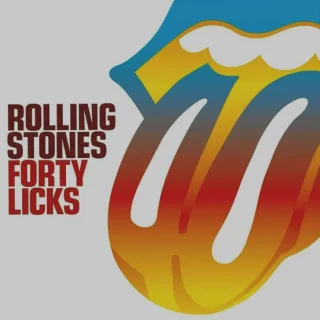 Forty Licks
Rolling Stones, 2002
Played with
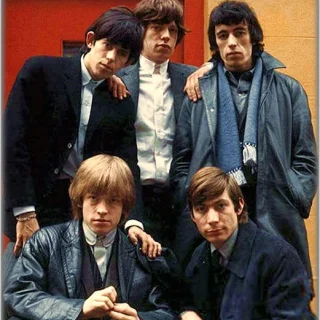 The Rolling Stones
8 records together
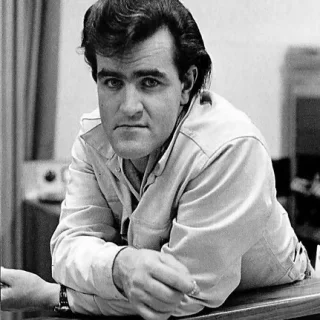 Ian Stewart
7 records together
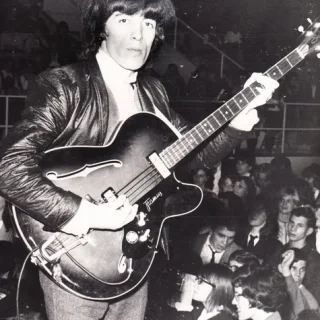 Bill Wyman
6 records together
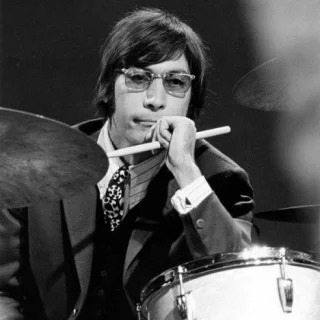 Charlie Watts
6 records together
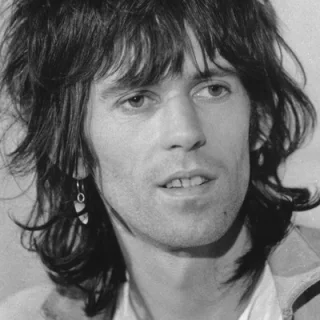 Keith Richards
6 records together
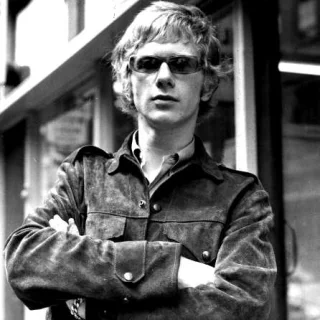 Andrew Loog Oldham
6 records together
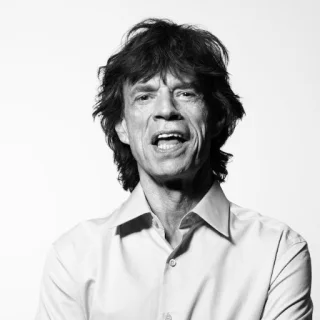 Mick Jagger
6 records together
 Brian Jones
5 records together
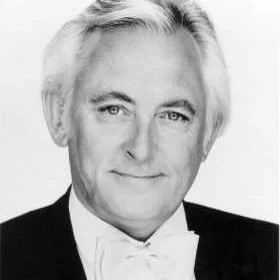 Mike Leander
2 records together
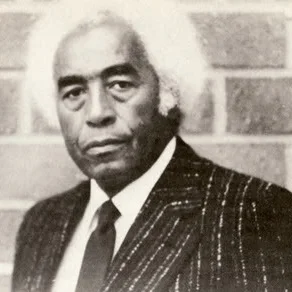 J. W. Alexander
2 records together
 Ron Wood
2 records together
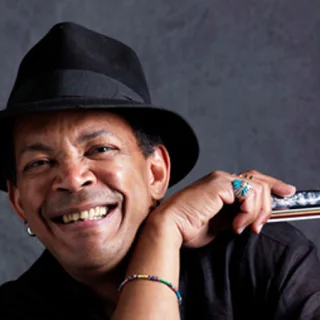 Sugar Blue
2 records together
About
American arranger, producer, songwriter, and Academy Award-winning film score composer.
Born: 22 April 1937 in Chicago, Illinois, USA.
Died: 25 August 2000 in Hollywood, Los Angeles, California, USA (aged 63).
Married to singers (1959-1978) and (1982-1989)
He first came to prominence in the early 1960s as the right-hand-man of producer Phil Spector and went on to work with the Rolling Stones and Neil Young, among others. He also worked extensively in film scores, notably for films such as Performance, The Exorcist and One Flew Over the Cuckoo’s Nest. In 1983, he won the Academy Award for Best Original Song for “Up Where We Belong”.
The Nitzsche-phone
Nitzsche was a keyboard player on many mid-1960s albums by The Rolling Stones. On several, he was also credited as the player of the “Nitzsche-phone”. In an obituary on Gadfly Online, former Rolling Stones manager Andrew Loog Oldham explained the credit:
“ I made that up for the credits on those Stones albums—it was just a regular piano (or maybe an organ) mic’d differently. It was all part of this package that was created around the Stones. People believed it existed. The idea was meant to be: “My god, they’ve had to invent new instruments to capture this new sound they hear in their brains.” And they were inventing fresh sounds with old toys—therefore, it deserved to be highlighted—it was the read-up of creation, of imagination—getting credit for a job well done.”